
 See Our Latest Article on HelloNation
What Is a Pinched Nerve, and Why Does It Happen?
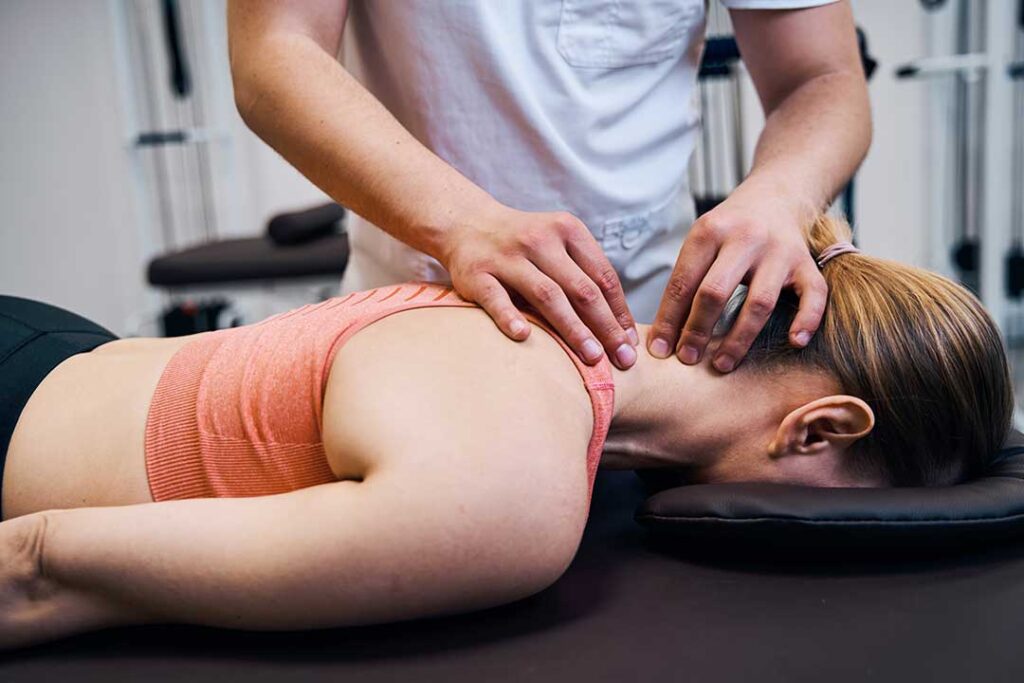
A pinched nerve occurs when surrounding tissues—such as bones, cartilage, muscles, or tendons—apply too much pressure to a nerve. This compression can disrupt the nerve's function, causing pain, numbness, tingling, or weakness. In Geddes, nerve compression most often affects the neck (cervical spine) or lower back (lumbar spine), but it can also occur in the wrists, elbows, or other parts of the body.
Locally, factors such as repeated snow shoveling, prolonged sitting during winter months, and common DIY home tasks can increase risk. Age, posture habits, repetitive motions, old injuries, and even carrying groceries can contribute.
How Can Posture and Daily Activities Affect Nerve Health?
Poor posture can put uneven pressure on the spine and joints, increasing the risk of nerve compression. Daily activities—especially those involving long hours at a desk, frequent driving, or repetitive arm movements—can gradually contribute to nerve irritation.
Practical advice for local residents includes:
- When sitting for extended periods, use a supportive chair, keep feet flat on the floor, and align hips and shoulders.
- If watching TV or reading for long stretches indoors during winter, change positions frequently and stand up every 30–60 minutes.
- Shoveling snow, raking leaves, or gardening should be done with frequent breaks and by alternating dominant hands to avoid overuse.
Are There Daily Habits That Help Protect Nerves?
Yes, small habit changes make a significant difference in minimizing nerve strain:
- Stretch gently after waking, especially on chilly mornings, to ease muscle tightness that could pinch nerves.
- Use proper lifting techniques—bend at the knees and keep objects close to the body, whether picking up trash cans, grocery bags, or seasonal décor.
- If working from home, invest in an ergonomically set up workspace: elbows at 90 degrees, monitor at eye level, and a keyboard close enough to prevent overreaching.
- Stay physically active. Gentle movement such as walking on the Erie Canalway Trail or neighborhood sidewalks keeps muscles flexible and supports spinal health—a key defense against nerve compression.
- Take short activity breaks, especially if you drive or sit for work. Tight hamstrings and glutes can affect the lower back and sciatic nerve.
How Does Weight and Physical Condition Influence Nerve Compression Risk?
Carrying excess weight puts additional pressure on the spine, joints, and nerves. In the community, changes in routine—like less outdoor activity during colder months—can lead to muscle weakening and extra pounds.
- Gradual weight management through increments in physical activity, better sleep, and balanced meals can reduce risk.
- Strengthening core muscles (abdomen and lower back) helps stabilize the spine, particularly for residents participating in snow removal or yardwork.
Can Sleeping Position Cause or Prevent Pinched Nerves?
Yes, the way you sleep may help reduce or increase likelihood of nerve issues. Sleeping on a non-supportive mattress or in an awkward position can stress the neck or lower back.
- Back sleepers can benefit from a small pillow under the knees to support the lower spine.
- Side sleepers should keep a pillow between the knees to align the hips.
- Avoid tucking the chin tightly toward the chest, which can compress neck nerves; instead, keep the neck neutral.
- If waking with numbness or tingling, consider replacing pillows to support proper alignment.
Are There Local Seasonal Risks in Geddes?
Geddes residents face unique risks from seasonal changes. Snow shoveling is a common activity where pinched nerves can develop from sudden twisting or overexertion.
- Warm up before outdoor chores with light stretching, especially on cold days when muscles are stiff.
- Use ergonomic shovels and avoid lifting heavy, wet snow all at once. Push rather than lift when possible.
- Wear boots with good traction to prevent slips that could jolt the spine and nerves.
During the fall, leaf raking and yard cleanup can also involve repetitive bending and twisting that irritates nerves. Plan chores for short sessions, with frequent rests and hydration.
What Warning Signs Should Not Be Ignored?
Not every tingle or ache is serious, but certain symptoms suggest a pinched nerve may need closer attention:
- Numbness, tingling, or weakness lasting more than a few days, especially if it worsens.
- Pain that radiates down the arm or leg, such as sciatica symptoms.
- Loss of fine motor control (for example, trouble gripping objects or frequent dropping).
- Symptoms that disrupt sleep or daily activities, even after basic rest and care.
Prompt medical evaluation is important if symptoms do not improve or if you experience sudden, severe pain, significant muscle weakness, or loss of bladder or bowel control.
What Are Common Misconceptions About Pinched Nerve Prevention?
Many people in Geddes assume pinched nerves are only caused by accidents or heavy lifting, but they often develop over time from posture, repetitive movements, or chronic tension. Another misconception is that “more exercise” always helps: in reality, overtraining without proper technique can also cause nerve problems, especially in the gym or during home projects.
Careful body mechanics matter as much as staying active. Pay attention to early warning signs and do not push through pain during chores, workouts, or when recovering from strains.
