
 See Our Latest Article on HelloNation
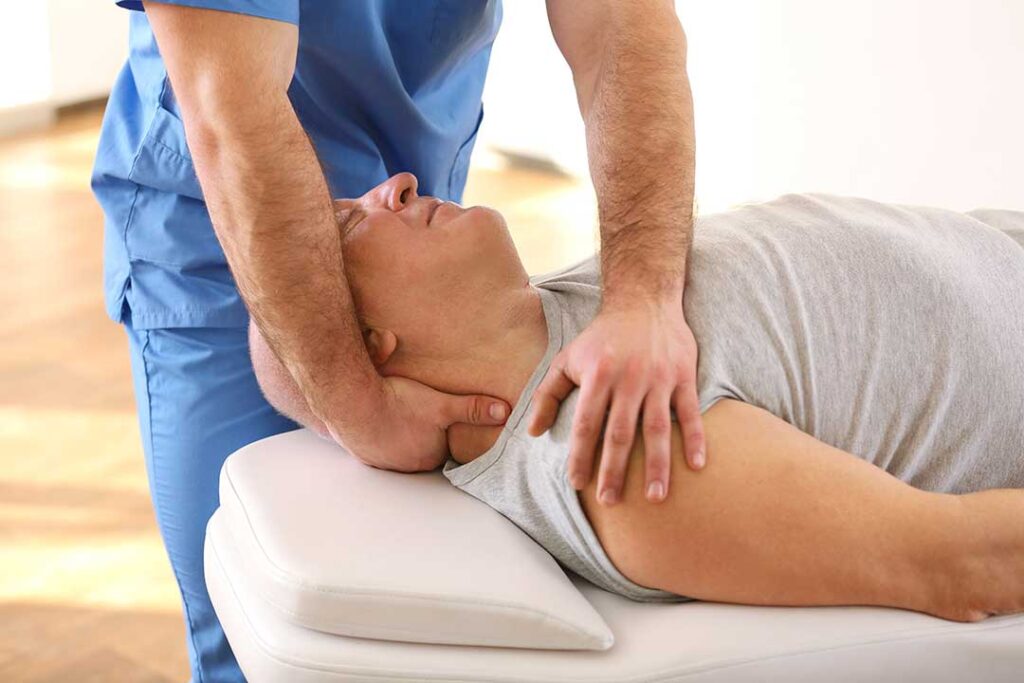
What Is Joint Inflammation and How Does It Affect Residents?
Joint inflammation describes swelling, redness, pain, or warmth in the joints where bones meet. Many people in Geddes, NY experience this due to factors like age, repetitive motion, older housing layouts with stairs, or seasonal weather shifts. For some, joint pain may come and go with changes in humidity or daily activities common around the community.
While serious swelling merits medical evaluation, most minor joint inflammation can be managed at home with safe, tried-and-true approaches. Many area residents have questions about reducing discomfort and promoting joint health naturally, especially if they prefer to avoid ongoing use of medications.
Can Simple Lifestyle Changes Really Help Joint Inflammation?
Small, consistent changes often make a noticeable difference for joint health. Gentle movement is key. Residents reporting stiffness after cold mornings or a long winter often benefit from:
- Establishing a gentle stretching routine after getting out of bed or before outdoor chores.
- Using household helpers (grippers, jar openers, padded mats) to reduce repetitive joint strain when gardening, cooking, or cleaning.
- Alternating activities to avoid overusing one set of joints during daily routines—such as mixing standing work with sitting tasks.
Even in colder months, staying as active as comfortable—like taking short neighborhood walks or doing seated stretches indoors—can support joint fluid circulation, which helps reduce pain and stiffness.
Which Home Remedies Are Actually Useful for Joint Comfort?
Many residents have heard about hot and cold therapy but are unsure how to apply these approaches safely. For the typical aches that come after yardwork or a day of home repairs:
- Apply a warm compress (heating pad, warm towel, or a microwaved rice sock) to joints for about 15 minutes to help relax tight tissues.
- Use cold packs or bags of frozen vegetables wrapped in cloth to target swelling after an acute flare-up. Keep cold applications brief (about 10-15 minutes).
Hydration is often overlooked. Drinking enough water throughout the day supports joint cushioning, especially during Geddes’s changing seasons when indoor heating or AC can lead to dehydration.
Are There Dietary Choices That Support Joint Health?
Eating habits play a role in joint inflammation for many people—something residents can easily address with small adjustments. Diet patterns found to benefit joint comfort include:
- Increasing antioxidant-rich foods, such as leafy greens, berries, broccoli, and colored vegetables.
- Favoring healthy fats found in walnuts, flaxseeds, and salmon—foods linked to reduced inflammation.
- Reducing excessive processed foods, sugar, and deep-fried items, which some individuals report worsens swelling.
Some residents also use herbs or supplements like turmeric, ginger, or fish oil. While these have supporting evidence for mild relief, individuals should consider allergy risks and check with a healthcare provider, especially if already taking medications for other conditions.
How Does Climate or Weather in Geddes Affect Joint Discomfort?
Seasonal patterns in the area may influence symptoms of joint inflammation. Some local residents notice increased joint pain or stiffness with dropping temperatures or humid summer weather. This is a real phenomenon and may be due to:
- Changes in barometric pressure, which can affect fluid balance in joints.
- Increased time spent indoors and reduced movement during colder months.
- Dampness in older homes, basements, or community facilities contributing to ongoing discomfort.

Dressing in layers, including gloves or thermal socks, and keeping living spaces warm without overheating can relieve joint tension brought on by weather shifts common in the region.
Is Gentle Exercise Safe for Inflammatory Joint Conditions?
Staying active is vital even for those managing joint swelling—rest alone often leads to increased stiffness. The key is to choose exercises that don’t overload sensitive joints. Practical options include:
- Walking on level sidewalks or local trails to avoid steep inclines or uneven surfaces, which can lead to twisting injuries.
- Participating in low-impact activities like swimming at community pools or gentle cycling if accessible.
- Practicing yoga or tai chi routines focused on flexibility, which many area residents find helpful, especially during long winters.
Listening to the body’s cues is critical; persistent pain during movement suggests modifying the activity or resting briefly before trying again.
What Common Misconceptions Exist About Joint Inflammation Relief?
Some residents believe that "resting completely" will help inflamed joints regain comfort. In reality, inactivity leads to weakening of surrounding muscles and greater discomfort over time. Instead, balancing gentle movement with periodic rest through the day typically produces better results.
Another local myth is that drinking certain beverages or “detox” teas eliminates joint inflammation. Hydration truly matters, but there’s little evidence beyond that for popular drinks advertised for joint health.
When Should Residents Seek Medical Evaluation for Joint Issues?
Mild joint inflammation is often manageable at home. However, consultation with a healthcare provider becomes necessary if residents experience:
- Joint pain that persists or worsens beyond a few days despite self-care.
- Visible joint deformation (for example, a finger that looks crooked or swollen).
- Recurrent locking or instability that interferes with daily activities.
- Unexplained redness, warmth, or fever, which could signal infection.
By staying attentive to their bodies and fostering habits that support joint health, residents can manage most routine joint inflammation safely and comfortably—adapting their routines throughout the changing seasons in Geddes.
