
 See Our Latest Article on HelloNation
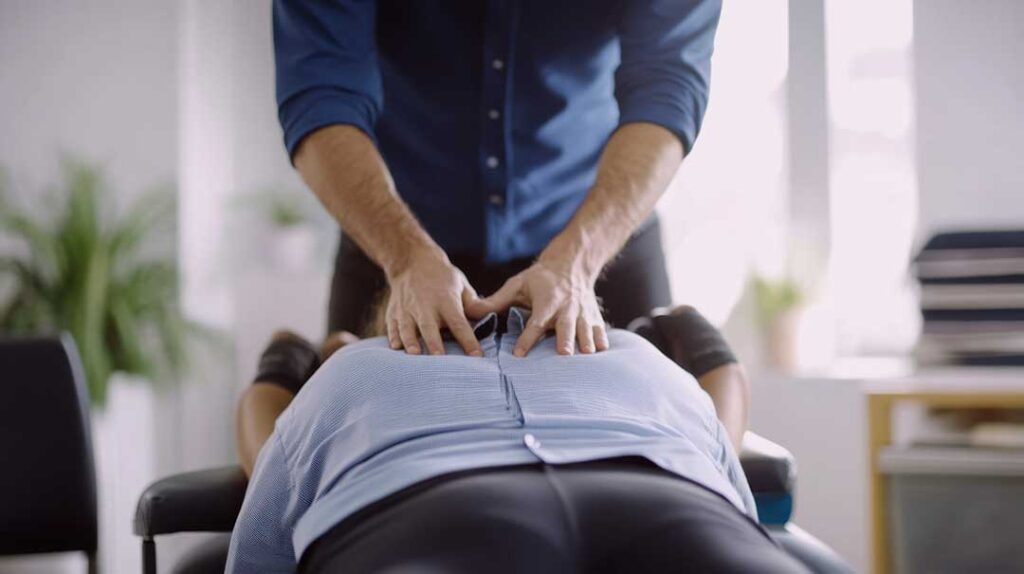
Knee pain can often be reduced without medication, especially when symptoms are related to overuse, mild arthritis, muscle weakness, or stiffness. The most useful approach usually combines gentle movement, gradual strengthening, activity changes, and attention to warning signs that require medical evaluation.
What can cause knee pain?
Knee pain has many possible causes, and the right self-care plan depends on the underlying problem. Common examples include osteoarthritis, tendon irritation, bursitis, a muscle strain, a sprain, or pain that develops after a change in walking or exercise habits.
Pain that appears gradually with stiffness may behave differently from pain that begins suddenly after a twist or fall. Swelling, locking, giving way, warmth, redness, or an inability to bear weight may indicate a problem that should not be managed solely at home.
For persistent or recurring symptoms, an evaluation can help distinguish joint-related pain from discomfort influenced by the hip, ankle, lower back, gait, or muscle imbalance.
Does movement help knee pain?
Usually, yes. Avoiding all activity can lead to weaker muscles and greater stiffness, while appropriately paced movement can improve function and reduce pain. The CDC identifies walking, cycling, swimming, water exercise, light gardening, and tai chi as joint-friendly activities for many people with arthritis. Even short periods of activity, such as five or ten minutes, can be useful when longer exercise sessions are uncomfortable. ([cdc.gov](https://www.cdc.gov/arthritis/prevention/index.html?utm_source=openai))
A practical starting routine might include:
- Five to ten minutes of easy walking on a level surface
- Gentle range-of-motion movements, such as slowly straightening and bending the knee
- A short session of cycling with low resistance
- Water-based exercise when land-based activity increases discomfort
Pain should not steadily worsen during the activity or remain substantially worse afterward. Reduce the duration, intensity, or frequency if symptoms flare. Sharp, stabbing, constant pain, limping, increasing swelling, or pain that lasts more than two hours after exercise are reasons to stop and seek guidance. ([archive.cdc.gov](https://archive.cdc.gov/www_cdc_gov/arthritis/basics/physical-activity/pain.html?utm_source=openai))
Which exercises strengthen the knee?
Strengthening the muscles around the knee can reduce the amount of stress placed on the joint. The quadriceps, hamstrings, gluteal muscles, and hip muscles all contribute to leg control and stability. The American Academy of Orthopaedic Surgeons recommends warming up with low-impact activity and avoiding exercises that cause pain. ([orthoinfo.aaos.org](https://orthoinfo.aaos.org/globalassets/pdfs/2023-rehab_knee_10-16-23.pdf?utm_source=openai))
Begin with movements that feel controlled:
Seated knee extensions
Sit in a sturdy chair and slowly straighten one knee until the leg is nearly level. Pause briefly, then lower it with control. Start with a small number of repetitions and stop if the movement causes sharp pain.
Straight-leg raises
Lie on your back with one knee bent and the other leg straight. Tighten the thigh of the straight leg and raise it several inches. Lower it slowly. This exercise may be easier than squats for someone with significant knee sensitivity.
Glute bridges
Lie on your back with both knees bent. Tighten the abdominal and buttock muscles, then lift the hips slightly. This strengthens the hips and trunk, which can improve leg mechanics.
Sit-to-stand practice
From a firm chair, stand up and sit down slowly. Keep the knees aligned with the feet rather than allowing them to collapse inward. Use the armrests or a higher chair if needed.
A warm-up of five to ten minutes may make movement more comfortable. Exercise two or three days per week, allowing recovery between sessions. If pain persists or technique is uncertain, individualized instruction from a qualified health professional may be appropriate.
Should heat or cold be used?
Cold may help after an activity-related flare or when the knee feels swollen. Place a cold pack wrapped in a thin cloth over the area for about 15 to 20 minutes. Avoid placing ice directly on the skin.
Heat may be more comfortable for stiffness, particularly before gentle movement. A warm shower or heating pad on a low setting can help relax surrounding muscles. Avoid heat over a visibly swollen, red, or hot joint.
Neither method corrects the underlying cause. They are comfort measures that may make it easier to keep moving safely.
Can weight management reduce knee pain?
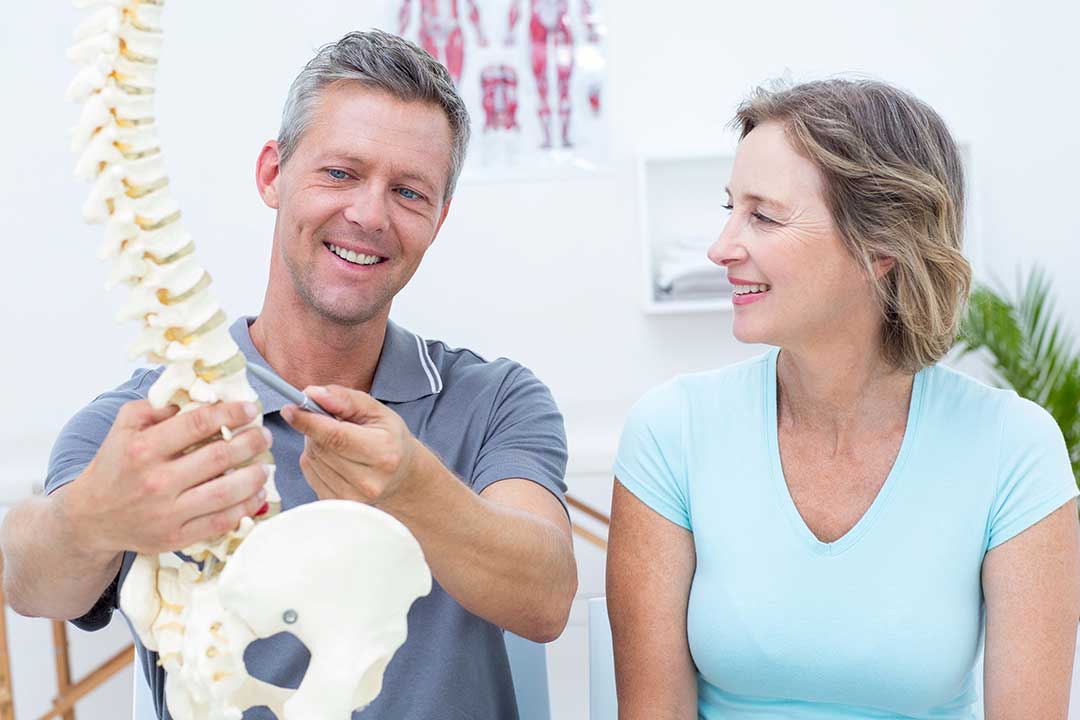
For people with knee osteoarthritis who are overweight, even modest weight loss may reduce pain and improve physical function. The CDC reports that maintaining a healthy weight can help manage arthritis symptoms, while NICE recommends discussing weight loss as part of osteoarthritis care when appropriate. ([cdc.gov](https://www.cdc.gov/arthritis/caring/index.html?utm_source=openai))
This does not require a sudden, restrictive diet. Sustainable changes may include:
- Replacing sugar-sweetened drinks with water
- Including protein, vegetables, fruit, and high-fiber foods in meals
- Reducing highly processed snacks
- Combining food changes with low-impact activity
- Focusing on gradual progress rather than a specific appearance or size
Weight is only one factor in knee pain. People of every body type can develop injuries or arthritis, and weight loss should never be treated as the sole explanation or solution.
How can daily habits protect the knee?
Small adjustments can reduce repeated strain. During household work, alternate standing, walking, and sitting rather than remaining in one position for long periods. Use a raised surface when possible instead of kneeling for extended tasks. When lifting, keep the object close to the body and avoid twisting through a planted foot.
Seasonal conditions in Geddes, NY can also affect daily movement. Snow, ice, uneven walkways, and bulky winter footwear may increase the risk of slips or alter walking mechanics. Allow extra time outdoors, use stable footwear, keep steps and paths clear, and avoid rushing across slippery surfaces.
A cane, brace, or other support may help some people, but the device should fit the problem and be used correctly. Improper use can shift stress to another joint or encourage an awkward gait.
Is chiropractic care useful for knee pain?
Chiropractic or manual care may be considered as one part of a broader plan for selected musculoskeletal problems, particularly when hip, ankle, pelvic, or spinal movement contributes to how the knee is loaded. However, manual therapy should not be viewed as a stand-alone cure for knee osteoarthritis. NICE recommends considering it alongside therapeutic exercise rather than using it by itself. ([nice.org.uk](https://www.nice.org.uk/guidance/NG226/chapter/recommendations))
The most appropriate plan depends on the diagnosis, physical findings, medical history, and goals. Knee pain after trauma, pain with marked swelling, or symptoms involving locking or instability require careful assessment before manipulation or exercise.
When should knee pain be evaluated promptly?
Seek prompt medical attention for a knee that is severely swollen, red, hot, deformed, or impossible to bear weight on. Evaluation is also important after a significant fall or twist, especially if the knee locks, repeatedly gives way, or cannot fully straighten.
Arrange an evaluation for pain that continues to worsen, interferes with sleep or ordinary activities, or does not improve after a reasonable period of modified activity. Fever accompanied by a hot, swollen joint is an urgent warning sign.
Self-care is most useful when it supports safe movement rather than delaying needed diagnosis. A gradual plan of mobility, strengthening, joint protection, and symptom monitoring can help many residents remain active without relying on medication alone.
