
 See Our Latest Article on HelloNation

What does chiropractic maintenance care mean?
Chiropractic maintenance care refers to occasional follow-up care after an initial episode of back, neck, or other musculoskeletal pain has improved. The purpose is not to promise perfect spinal alignment or prevent every future problem. Instead, it may be considered as one part of a long-term plan for people whose symptoms tend to return and who have responded well to earlier care.
Maintenance care is different from treatment for a new or severe injury. It is generally discussed after a person’s symptoms, movement, and daily function have improved. The schedule may involve periodic visits, exercise, activity guidance, or reassessment rather than automatic treatment at fixed intervals for everyone.
Research has focused most closely on people with recurrent or persistent, nonspecific low-back pain. In that group, a randomized trial found that planned follow-up care produced fewer total days of bothersome low-back pain over one year than care received only when symptoms returned. The maintenance group also received more treatments, and the difference was modest rather than curative. ([pmc.ncbi.nlm.nih.gov](https://pmc.ncbi.nlm.nih.gov/articles/PMC6135505/?utm_source=openai))
Who may benefit from maintenance care?
Maintenance care appears most reasonable for selected individuals with a history of recurring symptoms, not as a universal recommendation. People who may discuss it with a qualified healthcare professional include those who:
- Have experienced repeated episodes of low-back or neck pain
- Improved during an initial course of conservative care
- Notice that symptoms return after prolonged sitting, lifting, driving, or physically demanding activity
- Want help maintaining movement and function between flare-ups
- Can combine follow-up care with exercise, sleep habits, and practical changes in daily activity
The available evidence does not show that every person who receives chiropractic treatment needs ongoing visits. A systematic review found that the strongest support for maintenance care applied to people with previous episodes of low-back pain who improved with initial treatment. It also found limited evidence for cost-effectiveness and insufficient support for applying the approach to all patients. ([pmc.ncbi.nlm.nih.gov](https://pmc.ncbi.nlm.nih.gov/articles/PMC6868774/?utm_source=openai))
For local residents, seasonal routines may influence symptoms without being a diagnosis by themselves. Winter footwear, snow and ice removal, prolonged indoor sitting, home projects, gardening, recreational activity, and changes in driving habits can all alter how the back and neck are used. These factors may be useful to discuss during a reassessment.
What are the possible benefits?
The potential benefits are mainly functional. Maintenance care may help some people identify early changes in mobility or discomfort before those changes interfere substantially with work, household responsibilities, sleep, or recreation.
Possible goals include:
- Fewer days with activity-limiting back pain
- Longer periods between recurring episodes
- Better confidence with normal movement
- Early review of lifting, sitting, walking, or exercise habits
- A clearer plan for responding to mild flare-ups
Spinal manipulation may provide small improvements in pain and function for some people with acute or chronic low-back pain, but it is one option among several. The National Center for Complementary and Integrative Health describes the evidence as showing modest benefits, with low strength of evidence in some clinical guidelines. ([nccih.nih.gov](https://www.nccih.nih.gov/health/tips/things-to-know-about-spinal-manipulation-for-lowback-pain?utm_source=openai))
Maintenance visits may also include advice about movement or exercises. That broader approach matters because long-term function is unlikely to depend on passive treatment alone. The World Health Organization lists exercise programs and some physical therapies, including spinal manipulative therapy, among options that may be used for chronic primary low-back pain. ([who.int](https://www.who.int/news/item/07-12-2023-who-releases-guidelines-on-chronic-low-back-pain?utm_source=openai))
Does maintenance care prevent injuries or disease?
No. Maintenance care should not be presented as a way to prevent all injuries, correct every posture problem, improve general health regardless of symptoms, or protect against unrelated diseases. Evidence for these broader claims is limited or absent.
A more accurate description is that maintenance care may help some people manage a recurring musculoskeletal condition. It should have a specific purpose that can be evaluated, such as maintaining walking tolerance, reducing recurrent episodes, or supporting a return to normal activity.
A reasonable plan should be adjusted if it does not produce meaningful benefit. Continued care without improvement, a measurable functional goal, or periodic reassessment is difficult to justify from an evidence-based perspective.
How often should someone receive care?
There is no single schedule that applies to everyone. Frequency should depend on the person’s condition, response to earlier treatment, activity demands, health history, and preferences.
A practical plan may begin with a discussion of:
- What symptoms are being managed
- How often flare-ups occur
- Which activities are limited
- What improvement would count as worthwhile
- Whether exercise or home strategies are being used
- When care should be reduced, paused, or reconsidered
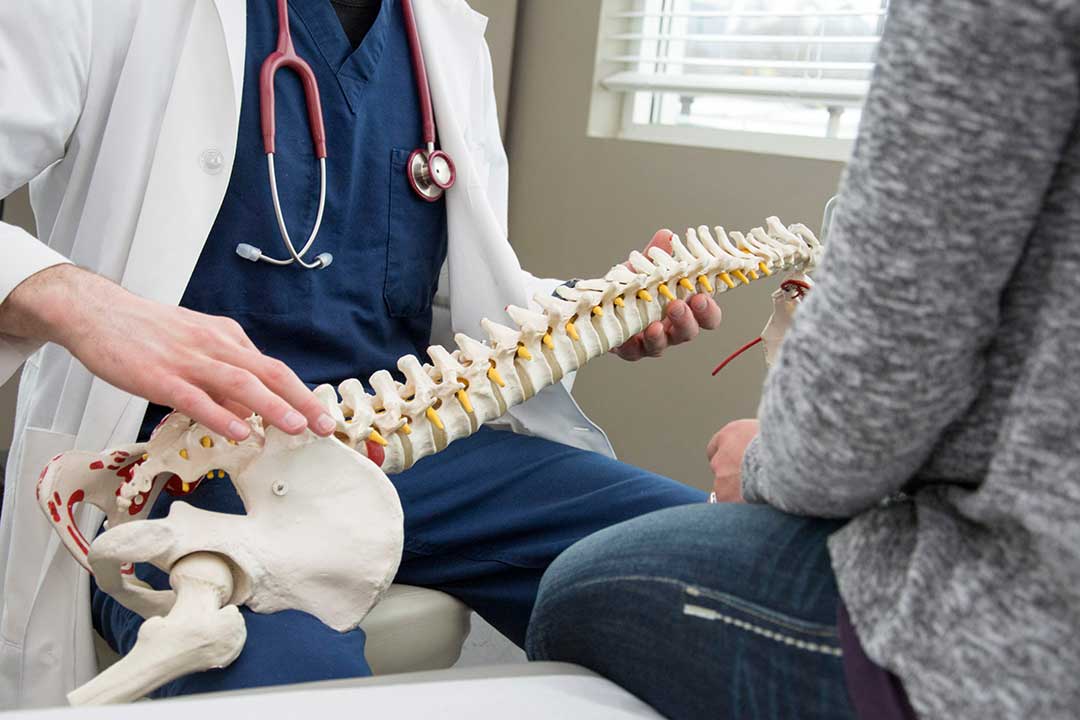
The research trial that found a benefit studied selected adults with recurrent or persistent nonspecific low-back pain who had already improved with initial care. Its findings should not be interpreted as proof that weekly or indefinite visits are necessary for the general population. ([pmc.ncbi.nlm.nih.gov](https://pmc.ncbi.nlm.nih.gov/articles/PMC6135505/?utm_source=openai))
People should also consider time, cost, insurance coverage, transportation, and the opportunity to use other effective approaches. A plan that fits realistically into household routines is more useful than a schedule that is difficult to maintain.
Is chiropractic maintenance care safe?
Spinal manipulation is generally associated with temporary soreness, stiffness, fatigue, headache, or a short-term increase in discomfort. These effects commonly resolve within about 24 hours, while serious complications are considered very rare. Health conditions and medications can change the risk, so a complete health history is relevant before treatment. ([nccih.nih.gov](https://www.nccih.nih.gov/health/tips/things-to-know-about-spinal-manipulation-for-lowback-pain?utm_source=openai))
Extra caution is appropriate for people with conditions affecting bone strength, blood clotting, neurological function, infection risk, or recent trauma. Neck manipulation deserves a separate risk discussion because the neck has different anatomical and clinical considerations than the low back.
Seek urgent medical evaluation for back or neck pain accompanied by new weakness, loss of bladder or bowel control, numbness in the groin area, fever, unexplained weight loss, severe pain after trauma, or rapidly worsening neurological symptoms. These signs may require medical assessment rather than routine maintenance care.
What should residents ask before agreeing to a long-term plan?
Useful questions include:
- What specific problem is this plan intended to address?
- How will improvement be measured?
- Could exercise, education, physical therapy, medical care, or self-management be used alongside or instead?
- How often will the plan be reassessed?
- What symptoms would require referral for medical evaluation?
- What is the expected duration, and under what circumstances would care stop?
The most balanced view is that maintenance care may be a reasonable option for some people with recurring low-back pain who improved with earlier conservative treatment. It is not a required stage of chiropractic care, a substitute for urgent evaluation, or a guarantee against future pain. For many households, the strongest long-term plan combines appropriate clinical guidance with regular movement, gradual strengthening, safe lifting habits, adequate recovery, and attention to symptoms that warrant a different level of care.
