
 See Our Latest Article on HelloNation
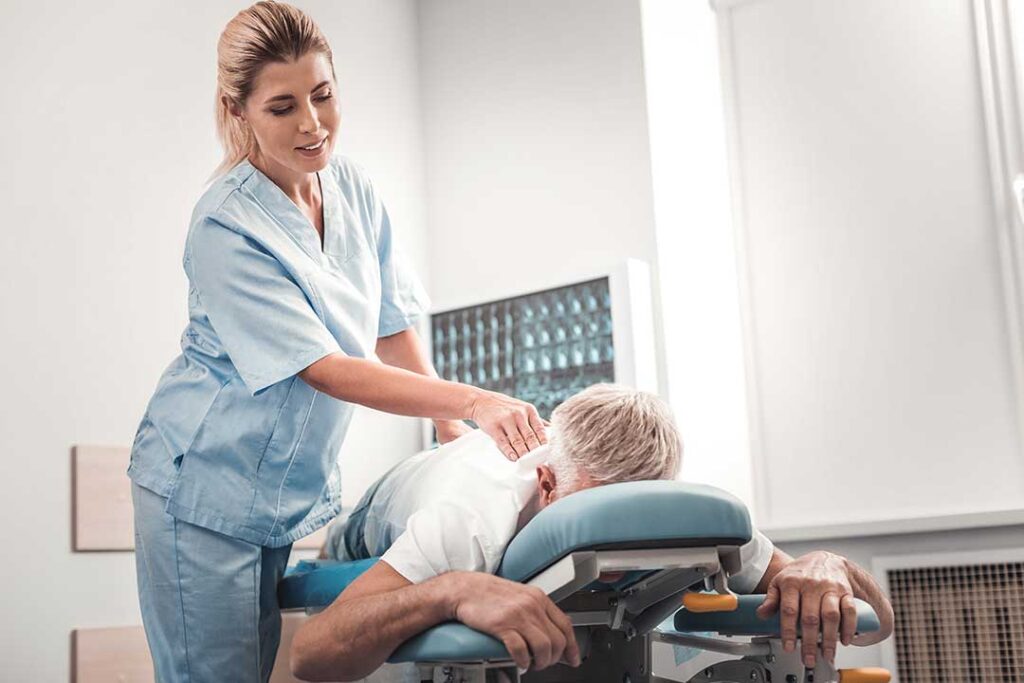
Is Soreness After an Adjustment Expected?
It is quite common for people to experience some mild soreness after a chiropractic adjustment, especially if it's their initial visit or if they haven't had treatment for some time. In Geddes, NY, residents who are new to chiropractic care often wonder if this is a sign of a problem. The answer is usually no—post-adjustment soreness is a normal bodily response as muscles and joints adapt to improved alignment.
Minor discomfort can feel similar to what you might notice after starting new physical activity or exercising muscles you haven’t used in a while. This is typically temporary and resolves on its own within a day or two.
What Causes Post-Adjustment Soreness?
Soreness after chiropractic adjustments happens because the treatment involves realigning joints and sometimes stretching muscles that have been tight or restricted.
Here’s what typically contributes:
- Muscles and ligaments may have tightened to support a previously misaligned structure. When the alignment is corrected, these tissues must adapt.
- The adjustment might release mild inflammation, which is part of the body’s natural healing response.
- For area residents who spend a lot of time indoors during Geddes’s long winters or have sedentary jobs, sudden improved mobility can activate muscles that have not been working efficiently.
This type of soreness should not be sharp, unbearable, or worsening. If it is, other factors may be involved.
How Long Does Soreness Usually Last?
In most cases, mild soreness fades within 24 to 48 hours. Some residents report feeling slightly achy later the same day or the next morning after their visit. Everyone’s response differs depending on:
- Age and overall health
- Severity and duration of the original issue
- Physical activity
- Frequency of prior chiropractic care
Gentle soreness from an initial adjustment might linger a bit longer if the treated area was very stiff, but extended or severe pain is not typical.
Can You Do Anything to Ease the Soreness?
Yes, most people in the community find relief with simple approaches at home:
- Apply a cold pack to the sore area for 15–20 minutes at a time for the first day
- Use heat (such as a warm towel or heating pad) on following days if muscles remain tight
- Stretch gently, but avoid strenuous exercise until you feel comfortable
- Stay hydrated, as fluids support recovery and tissue flexibility
Minor activity like walking can also help muscles adjust and reduce lingering aches. Local residents often find soreness passes even more quickly if they remain gently active rather than sitting or lying down too long.

When Should You Seek Guidance for Post-Adjustment Pain?
While mild, short-term soreness is normal, there are situations that might need more attention:
- Pain that is severe, increasing, or radiates to arms or legs
- Numbness, tingling, or weakness in your limbs
- Signs of bruising or swelling that worsen instead of improve
These symptoms are uncommon after routine chiropractic care and should be evaluated right away.
For those with underlying health issues (like osteoporosis or certain inflammatory conditions), adjustments may be modified for safety. Residents in Geddes who have concerns about their specific health history should discuss them with their healthcare provider.
Is Soreness a Sign the Adjustment Worked?
Feeling slightly sore is not required for a successful result. Many Geddes residents, especially those who receive regular chiropractic care, do not feel much soreness at all. Relief may be immediate, or it may take a few visits as the body stabilizes to a new alignment.
Misconceptions sometimes arise that “no pain means no gain,” which isn’t the case for chiropractic adjustments. Lingering soreness is not a measure of effectiveness. Positive changes like improved movement, less stiffness, or decreased headaches are more useful signals that the body is responding well.
Practical Examples from the Community
Residents in single-family homes on tree-lined streets in Geddes frequently describe soreness after lifting heavy snow, doing yardwork, or a long day of errands followed by an adjustment. If adjusting to more activity after months of inactivity during colder seasons, mild aches after spinal realignment are typical, especially if muscle patterns have adapted to ongoing stiffness.
People living in apartments or townhouses might notice soreness if they’ve spent long periods seated for remote work or watching TV. The adjustment helps correct posture, but muscles need time to adapt, leading to temporary, mild tenderness.
What If You’re Uncertain About Your Recovery?
Uncertainty is common, particularly for those trying chiropractic care for the first time or after a long break. If you’re unsure whether your soreness is normal or something else is at play, monitoring your symptoms closely over the next two days is best. As long as discomfort fades and you feel a gradual improvement in movement or comfort, there’s little reason for concern.
Trust in small, steady improvements and listen to your body’s feedback. The experience of other Geddes households suggests that mild, short-lived soreness is a typical step toward feeling better and living more actively.
